
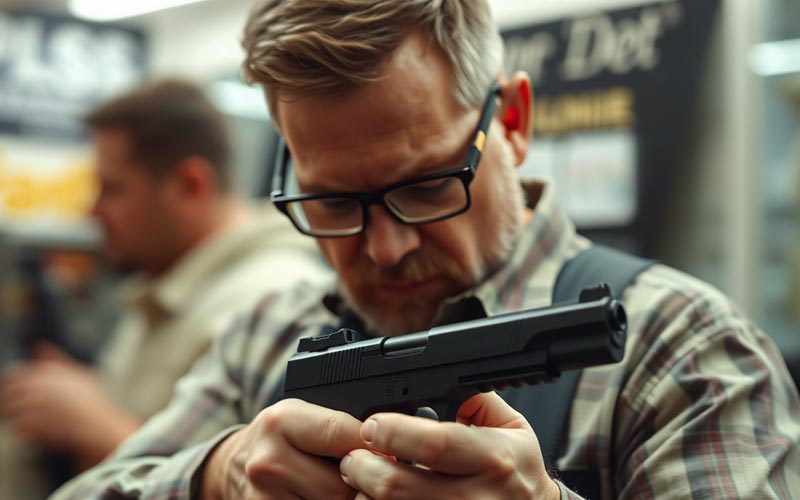
Buying used firearms at a gun show can be one of the most rewarding ways to add to your collection—if you know what to look for. There’s something special about handling a firearm that’s already lived a little life, whether it’s a well-kept hunting rifle or a classic handgun with honest wear.
The key is slowing down, knowing where to look, and trusting your hands as much as your eyes. These tips will help you separate solid buys from costly regrets.
Do Your Homework Before You Walk In
Before you ever step onto the show floor, have a general idea of what you’re looking for. That doesn’t mean locking yourself into one exact model, but understanding typical prices and variations goes a long way.
Helpful prep includes:
- Knowing common models and calibers
- Understanding average used prices
- Being aware of major design variations or generations
When you’ve done a little homework, you’re less likely to overpay—or walk away from a good deal because you weren’t sure what you were holding.
Start With Overall Condition
First impressions matter. When you pick up a used firearm, take a moment to look it over as a whole.
Check for:
- Excessive rust or pitting
- Cracks in stocks or grips
- Mismatched or poorly fitting parts
Honest wear is normal. Deep corrosion, structural damage, or signs of neglect are not. A well-cared-for firearm usually shows it right away.
Inspect the Wear Points Closely
Every firearm has areas that tell the real story of how it was used.
Pay close attention to:
- Slide rails and frame rails
- Bolt faces and locking lugs
- Hinges and contact points on break-action firearms
Light, even wear often means regular use and proper maintenance. Heavy wear in odd places can signal abuse or poor fitting parts.
Check the Bore and Chamber
If the seller allows it—and most reputable ones will—take a look down the bore.
You’re looking for:
- Sharp, visible rifling
- Minimal pitting
- A clean, bright interior
A dark or rough bore doesn’t always mean the firearm is unusable, but it should affect the price and your expectations. Bore condition is one of the biggest indicators of long-term performance.
Don’t Ignore the Small Details
Little things can turn into big expenses later.
Check:
- Screws for stripping or damage
- Sights for looseness or misalignment
- Magazine fit and release function
These details often reveal how careful the previous owner was. A firearm that’s been treated with respect usually shows it in the small stuff.
Ask Questions—and Listen Carefully
One of the advantages of buying used firearms at a gun show is the ability to talk face-to-face.
Good questions include:
- How long have you had it?
- Has anything been modified?
- Why are you selling it?
You’re not just listening for answers—you’re listening for confidence. Clear, straightforward responses usually indicate an honest sale.
Understand Price Versus Value
A used firearm isn’t a bargain just because it’s cheaper than new.
Consider:
- Condition relative to price
- Availability of replacement parts
- Intended use (collector vs shooter)
Sometimes paying a little more for a cleaner example saves money and frustration down the road.
Trust Your Instincts
If something doesn’t feel right—walk away. There will always be another table, another firearm, another opportunity.
A good used firearm should:
- Feel solid in hand
- Show consistent wear
- Match the seller’s description
When all three line up, you’re usually looking at a smart buy.
Final Thought
Buying used firearms at a gun show is as much about patience as knowledge. Take your time, ask questions, and let the firearm tell its story. The more you handle and inspect, the better your instincts become—and that’s something you can’t learn from a spec sheet alone.
Want to connect with fellow collectors and see quality firearms up close? Check out an upcoming New South Gun Show.