
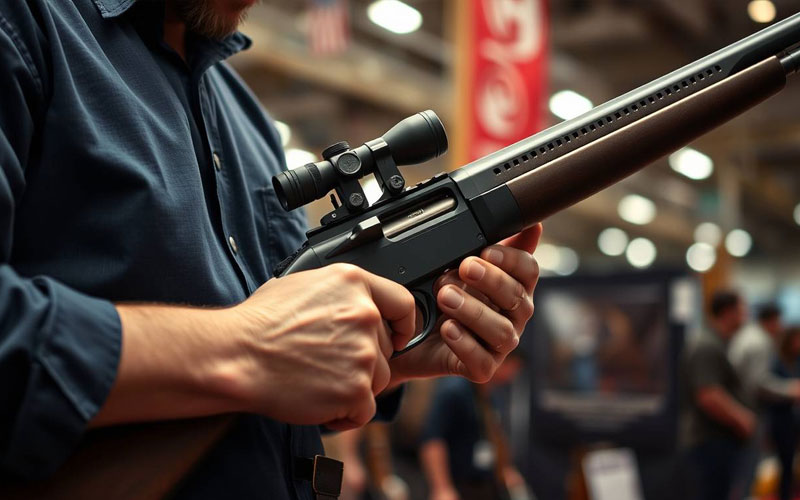
Knowing how to evaluate a used firearm before you buy can save you a lot of trouble—and sometimes a lot of money. A well-cared-for firearm can serve you for decades, but one that’s been neglected or mishandled can turn into a project you didn’t bargain for.
The good news is, you don’t have to be a gunsmith to spot the difference. With a careful look and a little patience, you can learn to recognize the signs that matter.
Start With Overall Condition
Before you get into the finer details, take a step back and look at the firearm as a whole.
Does it appear well cared for, or does something feel off?
You’re looking for general impressions like:
- Even wear versus neglect
- Clean surfaces versus visible rust
- A firearm that looks maintained, not forgotten
A piece that’s been consistently cared for tends to show it right away.
Check the Bore and Barrel
The bore tells a story most folks overlook.
If possible, take a look down the barrel (safely and properly) and check for:
- Clean, defined rifling
- No heavy pitting or corrosion
- A consistent, smooth interior
A bright, well-maintained bore usually means the firearm has been treated right. A rough or damaged one can affect performance and be difficult to correct.
Inspect the Action and Function
Cycle the action if the seller allows it. Pay attention to how it feels.
You want:
- Smooth, consistent movement
- No grinding or sticking
- A solid, confident lock-up
If something feels loose, rough, or inconsistent, it’s worth taking a closer look—or moving on altogether.
Function matters just as much as appearance.
Look Closely for Rust and Pitting
Surface wear is one thing. Neglect is another.
Check areas where moisture tends to settle:
- Around screws and seams
- Under the grips or stock edges
- Along the barrel and action
Light surface wear can often be managed. Deep pitting or widespread rust is a different story and may signal long-term damage.
Pay Attention to Matching Parts
For certain firearms, especially older ones, matching parts can affect both value and reliability.
Look for:
- Consistent serial numbers where applicable
- Parts that appear original to the firearm
- No obvious mismatches or replacements
That doesn’t mean every used firearm has to be all-original—but knowing what’s been changed helps you understand what you’re buying.
Ask About Its History
A simple question can go a long way: “What can you tell me about it?”
You might learn:
- How often it was used
- Whether it’s been modified
- How it was stored and maintained
The way someone answers can be just as important as the answer itself. Clear, straightforward responses usually signal confidence and honesty.
Watch for Signs of Modification
Some modifications are done well. Others, not so much.
Keep an eye out for:
- Aftermarket parts that don’t fit quite right
- Rough or uneven finishes
- Changes that affect function or safety
If you’re not sure about a modification, it’s okay to be cautious. A clean, original firearm is often the safer bet for a beginner.
Trust Your Hands as Much as Your Eyes
Don’t underestimate the value of simply handling the firearm.
Does it feel solid? Balanced? Well put together?
Or does something feel off?
Experience will sharpen this instinct over time, but even early on, your first impression can tell you more than you think.
Don’t Let a Good Story Override a Bad Inspection
Every used firearm has a story—but not every story justifies the condition.
It’s easy to get drawn in by history or sentiment, but at the end of the day, you’re evaluating the firearm in front of you. If it doesn’t meet your standards, it’s okay to pass.
There will always be another opportunity.
Final Thoughts
Learning how to evaluate a used firearm before you buy is one of the most valuable skills you can develop as a collector or hunter. It keeps you from making costly mistakes and helps you recognize pieces that are truly worth your time.
Take it slow, look closely, and don’t be afraid to ask questions. The more you do it, the more confident you’ll become.
And when you find a well-maintained piece at a fair price, you’ll know exactly what you’re looking at—and why it matters.
Want to connect with fellow collectors and see the craftsmanship up close? Check out an upcoming New South Gun Show.